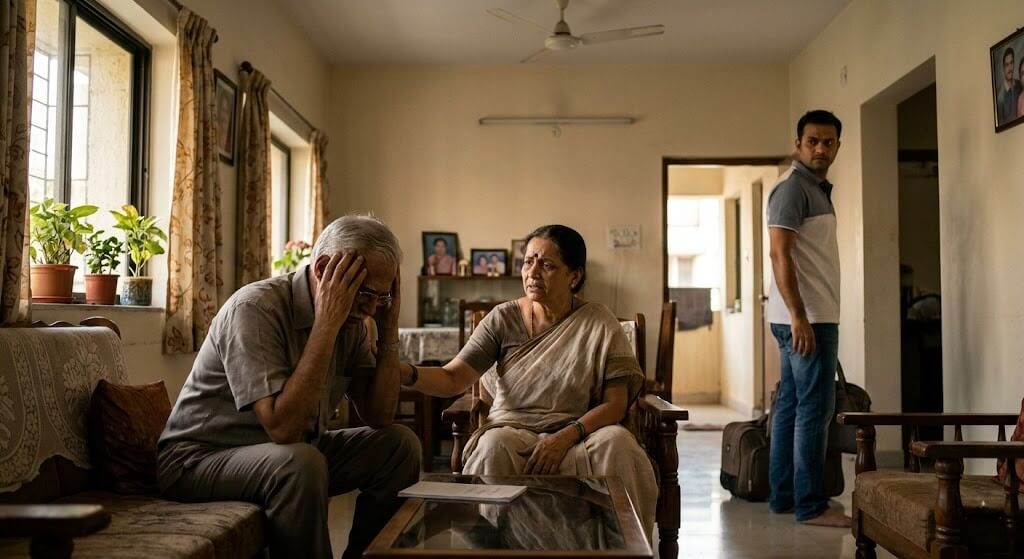
In the traditional fabric of our society, the family home has always been viewed as a collective sanctuary. However, as family dynamics evolve, we are seeing a significant rise in legal queries regarding the rights of elderly parents to live in peace. We believe in proactive stewardship of one’s assets and the fundamental right of every individual to maintain their dignity in their later years.
A common point of contention is whether a parent has the legal standing to dispossess or evict an adult child from their home. Recent judicial perspectives have shed light on this sensitive issue, prioritising the welfare of seniors over the perceived "birthright" of descendants in certain circumstances.
The first distinction any property owner must understand is the nature of the asset. If a property is "self-acquired", meaning you purchased it with your own earnings or received it via a gift or a personal Willyou hold absolute ownership.
In these cases, an adult child, whether married or single, has no legal right to reside in that house against your wishes. You are well within your rights to ask them to leave if their presence causes distress or if you simply wish to manage your property differently. The law views the child’s stay in a self-acquired house as a "licence" that can be revoked by the parent at any time.
The Maintenance and Welfare of Parents and Senior Citizens Act, 2007, has been a game-changer for many families. This legislation was designed to ensure that the elderly are not left vulnerable. Under this Act, if a parent has transferred property to a child on the condition that the child provides basic amenities and physical needs, and the child fails to do so, the transfer can be declared void.
Furthermore, several High Court rulings have clarified that if an adult child is abusive or creates an environment of mental cruelty, the parents can seek an eviction order through the District Magistrate. This is a vital tool for those seeking a peaceful retirement without the friction of domestic disputes.
It is crucial to note that "ancestral property" property inherited through four generations of male lineagefollows different rules. In such cases, children have a birthright share, and removing them entirely is a far more complex legal hurdle. However, even in ancestral homes, the right to live in a peaceful environment remains a priority, and unreasonable behaviour can still lead to legal intervention.
At Legal Assure, we encourage families to engage in transparent legacy planning. Establishing clear boundaries and formalising property documents early can prevent the heartache of a courtroom battle later. A well-drafted Will or a clearly defined gift deed can act as a safeguard for your future.
Property is more than just bricks and mortar; it is the result of a lifetime of hard work. Ensuring you retain control over your living space is not just a legal rightit is a necessity for your well-being.